The Latino Shift in the U.S. and What It Reveals About Cuban Americans
Democrats won Congress with a strong swing in the Latino vote, while in Florida Cuban Americans appeared as the exception in pre-election polls. The data call for a nuanced reading of the result.
Key points
- Democrats won control of Congress in the midterm elections, and Trump becomes the fourth president since 1950 whose party has lost both chambers in a midterm.
- 64% of Latinos voted Democratic and 34% Republican, according to AP/SSRS exit polls.
- In Florida, Republicans won the governorship by a narrow margin, after an earlier FIU poll had shown Cuban Americans in Miami-Dade leaning toward that party.
- Trump retains broad executive powers in foreign policy and trade, Brussels warns.
- The analyses do not point to a permanent realignment of the Latino vote.
What happened
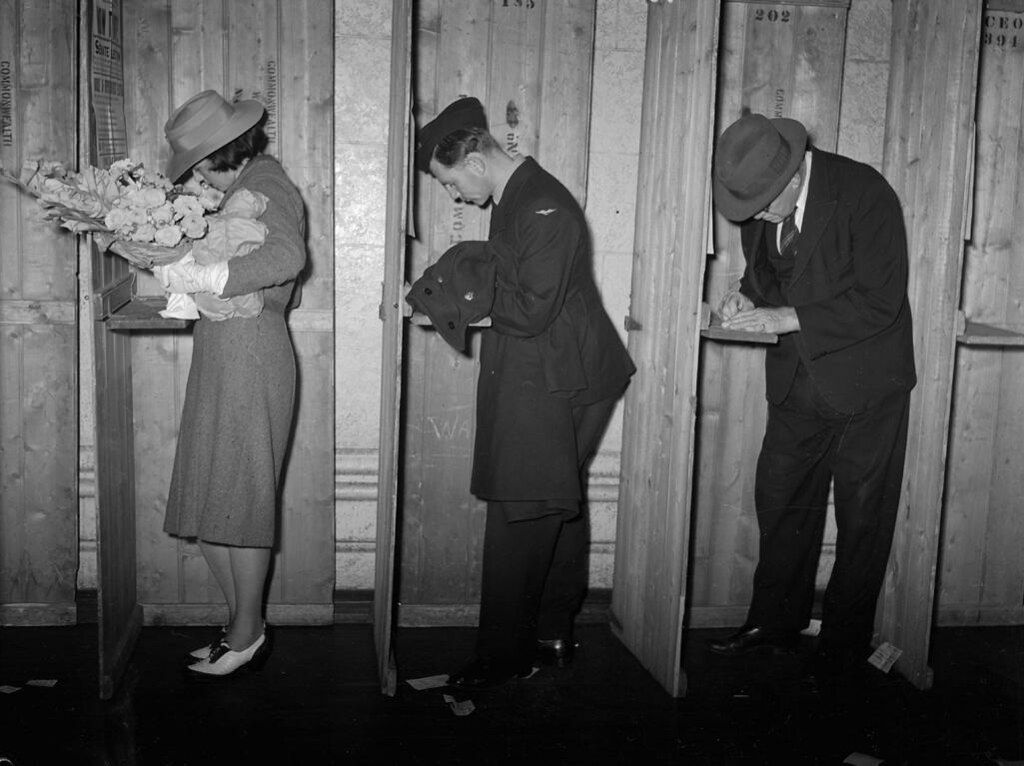
Tuesday's midterm elections left a different political map in the United States. Democrats took control of Congress. Some reports cite a majority of more than 250 seats in the House of Representatives, a figure the sources do not develop. Trump is the fourth president since 1950 whose party lost both chambers in a midterm election, after Eisenhower in 1954, Clinton in 1994 and Bush in 2006.
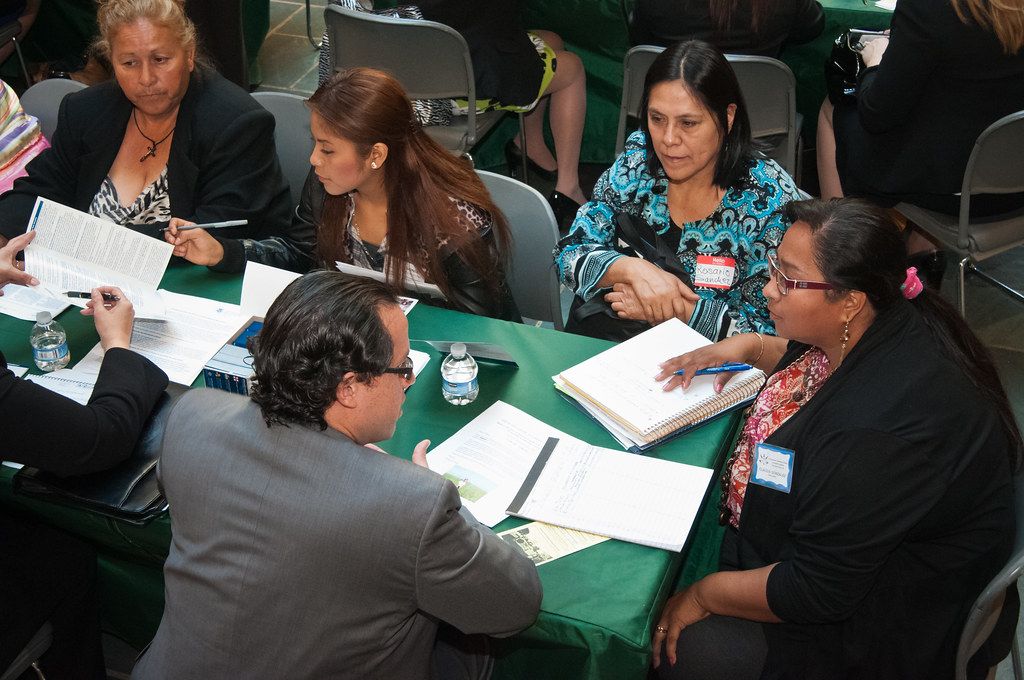
The Latino vote was a central piece of the change. Exit polls from AP/SSRS indicate that 64% of Latinos voted for Democratic candidates and 34% for Republicans. In 2024, Trump had won nearly four in ten Latino votes, according to AP VoteCast. The AS/COA analysis calculates a net shift of about 21 points toward Democrats compared with 2024. That is a different measure from a 14-point drop in Republican support across 64 Latino-majority counties, which points in the same direction.
Texas was the epicenter. Democrat Gina Hinojosa defeated Governor Greg Abbott with about 52.8% of the vote and will be the first Latina to lead the state. James Talarico won the U.S. Senate seat against Ken Paxton. In Hidalgo County, Republican support fell about 25 points compared with 2024, and in Starr County the margin moved about 72 points toward Democrats. Democrats also captured four of the five seats that Republicans had redrawn in Texas.
Florida was different. Byron Donalds won the governorship against Democrat David Jolly by a narrow margin, about 50% to 48.7%. Republicans held their ground in districts with a Hispanic majority. Even so, Miami-Dade and Osceola shifted 19 points toward Democrats in the Senate race.
Context
What moved voters? According to a study by UnidosUS and the Latino Community Foundation, carried out by BSP Research among 3,014 Latino voters, the shift was driven mainly by economic discontent and rejection of the government's immigration policies, rather than by identification with the Democratic Party. Exit polls point in the same direction: frustration with the economy, with the state of democracy and with the intensity of deportations. The campaign was marked by ICE operations, which included arrests and disrupted activity at meatpacking plants in southwestern Kansas.
There was also a generational factor. About 4 million young Latinos voted for the first time and, according to polls, overwhelmingly backed Democrats. UnidosUS estimates that up to 14.5 million Latinos participated, a record figure. There is also a gender gap: 68% of Latina women voted Democratic, compared with 58% of Latino men.
Cuban Americans appeared to be the exception before the vote. The FIU Cuba Poll 2026 showed that 68% of Cuban Americans in Miami-Dade stated they intended to vote Republican for Congress, equal to the historic high of 2024. This is a voting-intention survey, not an electoral result. FIU researcher Guillermo J. Grenier put it this way: "Disappointment with the Trump administration has not moved Cuban Americans away from the Republican Party."
The analysts themselves call for caution. Researcher Cristina López-Gottardi Chao, of the Miller Center at the University of Virginia, had warned on October 30 that these voters' preferences are increasingly unpredictable. Analyst Mike Madrid spoke of "realignment at full speed."
How it affects you
The available sources do not say how policy toward Cuba will change, and it is best not to anticipate it. What they do show is the weight of voters of Latino origin in the outcome, which matters to Cubans inside and outside the island.
For those living in the United States, opposition to ICE immigration operations was one of the drivers of the Latino vote, according to polls. Democrats promise to halt Trump's construction projects. However, the president retains broad executive powers in foreign policy and trade, as Brussels warns, so no automatic changes should be expected.
For Cubans in Florida, the picture is mixed. The governorship went to Republicans by a narrow margin, and the earlier FIU poll showed strong Cuban-American support for that party, although with discontent toward some specific policies of the administration. The sources do not offer a breakdown of the actual Cuban-American vote.
| Data | Figure |
|---|---|
| Latinos who voted Democratic (AP/SSRS) | 64% |
| Latinos who voted Republican | 34% |
| Cuban Americans in Miami-Dade with Republican voting intention, before the election (FIU) | 68% |
| Net shift toward Democrats compared with 2024 (AS/COA) | about 21 points |
What's next
Europe is watching with relief and caution. According to France 24, the new balance of power in Congress limits the White House's room to impose an aggressive tariff agenda and reduces the risk of an abrupt rupture within NATO. It also opens a window for greater support for Ukraine.
On the domestic front, Democrats promise to halt Trump's construction projects. UnidosUS and the Latino Community Foundation note that voters expect answers from both parties to their concerns.
FAQ
Who now controls Congress in the U.S.?
Democrats won control of Congress. Some reports mention more than 250 Democratic seats in the House of Representatives, but that figure is not developed in the sources.
Did Cuban Americans vote like the rest of Latinos?
The sources do not offer a breakdown of the results. Before the election, the FIU Cuba Poll 2026 showed that 68% of Cuban Americans in Miami-Dade intended to vote Republican for Congress. Donalds won the Florida governorship by a narrow margin.
Does this mean an immediate change in policy toward Cuba?
The sources do not indicate so. They only note that Trump retains broad executive powers in foreign policy and trade.
Spotted an error? Write to correcciones@cubaaldetalle360.com. Corrections are noted at the end of the article with their date.

Independent digital outlet covering Cuba and the world. Every story is built from several sources, fact-checked and explained with context. Learn how we work in our Editorial policy.